
In the last five years, imports from HK have more than tripled -- from $5.6 billion in FY15 to $17.1 billion in FY20. In the same period, exports declined by 20 per cent -- from $13.6 billion in FY15 to $10.8 billion (annualised) in FY20.

The first spending item on the chopping block is capital expenditure, followed by operating costs and overheads, including sales and marketing expenses.

While freight traffic has gone up, the Google location data shows more people are stepping out of their homes.

The trend in corporate earnings suggests that index earnings could fall to the levels last seen in early 2014.
India's harsh lockdown has left companies grappling with temporary closure, chaotic supply chains and depressed demand. Consequently, business plans have been modified.

Combined profit before tax of 81 firms down 37.5% y-o-y, worst show in at least 3 years.

RIL, however, remains miles ahead of TCS in other financial parameters such as total revenue, operating profit, net worth, assets, and market capitalisation.

Corporate revenues will decline for a third consecutive quarter in March on a YoY basis - one of the worst shows by these companies in many years.

Indians face COVID-19 with record debt, stalled income.
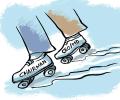
Profitability and cash reserves have halved since the global financial crisis.
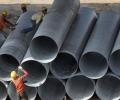
A bleak demand outlook for steel in the domestic as well as global market is also another reason Tata Steel may be looking to have additional liquidity as margins are expected to take a hit in the coming quarters.

According to sources, government officials have asked industry bodies and manufacturers to submit key concerns and requirements to begin manufacturing activity.

JNPT, the country's largest container port, would soon move into congestion if cargo does not get lifted by importers in the next few days.

The combined market capitalisation of the top 873 family-owned companies was down 26.3 per cent year-on-year (YoY) to Rs 61.8 trillion at the end of trading on Tuesday. It had grown 6 per cent in FY19 and nearly 20 per cent in FY18.
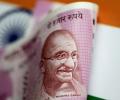
Some of the top indebted companies likely to face financial headwinds in the coming quarters include NTPC, PowerGrid, Tata Steel, Adani Power, JSW Steel, UPL, and Steel Authority of India. Together these 201 companies owed Rs 14.9 trillion to their lenders at the end of September 30, 2019, up 4.1 per cent year-on-year (YoY) during the first half of FY20.

In the manufacturing sector, output is expected to decline by about 70 per cent as only food-processing, and drugs and pharma industries are allowed to operate while other segments, such as engineering and metals, have shut operations.

Customs officials are busy at ports and airports, scanning passengers to ensure that COVID-19 virus-affected people are traced. So, officials are not able to focus much on baggage checking. This could lead to more gold getting smuggled into the country as luggage check at airports is now random unlike earlier where every bag was checked thoroughly.

Employees asked to work from home... cancelled travel plans... curtailed meetings... Caution and precaution dominate Corporate India's response to Covid-19.

Globally, London's Tube and French railway networks are already using this technology in their corrosion-prone areas.
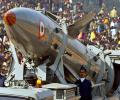
The ministry of defence has set a goal of $26 billion, including export of $7 billion for the industry by 2025-26 through its Defence Production Policy 2018.
 © 2026 Rediff.com - Advertise with us - Disclaimer - Privacy Policy - Sitemap - Feedback - About us - Terms of use - Grievances